- CMW: The Corporate & Risk Operations Brief
- Posts
- Climate Money Work: The Corporate & Risk Operations Brief
Climate Money Work: The Corporate & Risk Operations Brief
Behind the Numbers: Venezuela, U.S. industrial strategy, and bank earnings
Over the past year, we stepped back from publishing to spend time researching and speaking with senior executives across risk and operations. Those conversations sharpened the questions leaders are quietly grappling with—and reshaped the focus of this newsletter.
This year, Climate Money Work returns as CMW: The Corporate & Risk Operations Brief with a sharper focus on corporate risk, informed by a year of research, reporting, and conversations with leaders across markets and operations—exploring how market shifts, operational decisions, and policy signals drive real-world exposure and opportunity.
You’ll continue to find Behind the Numbers and Market Movers and Makers, examining the people, data, and decisions shaping business resilience, now with deeper reporting on operational risks, sustainability in operations, and capital decisions that affect execution.
CMW: The Corporate & Risk Operations Brief is built for leaders navigating risk in real time.
Behind the Numbers
by Keesa Schreane
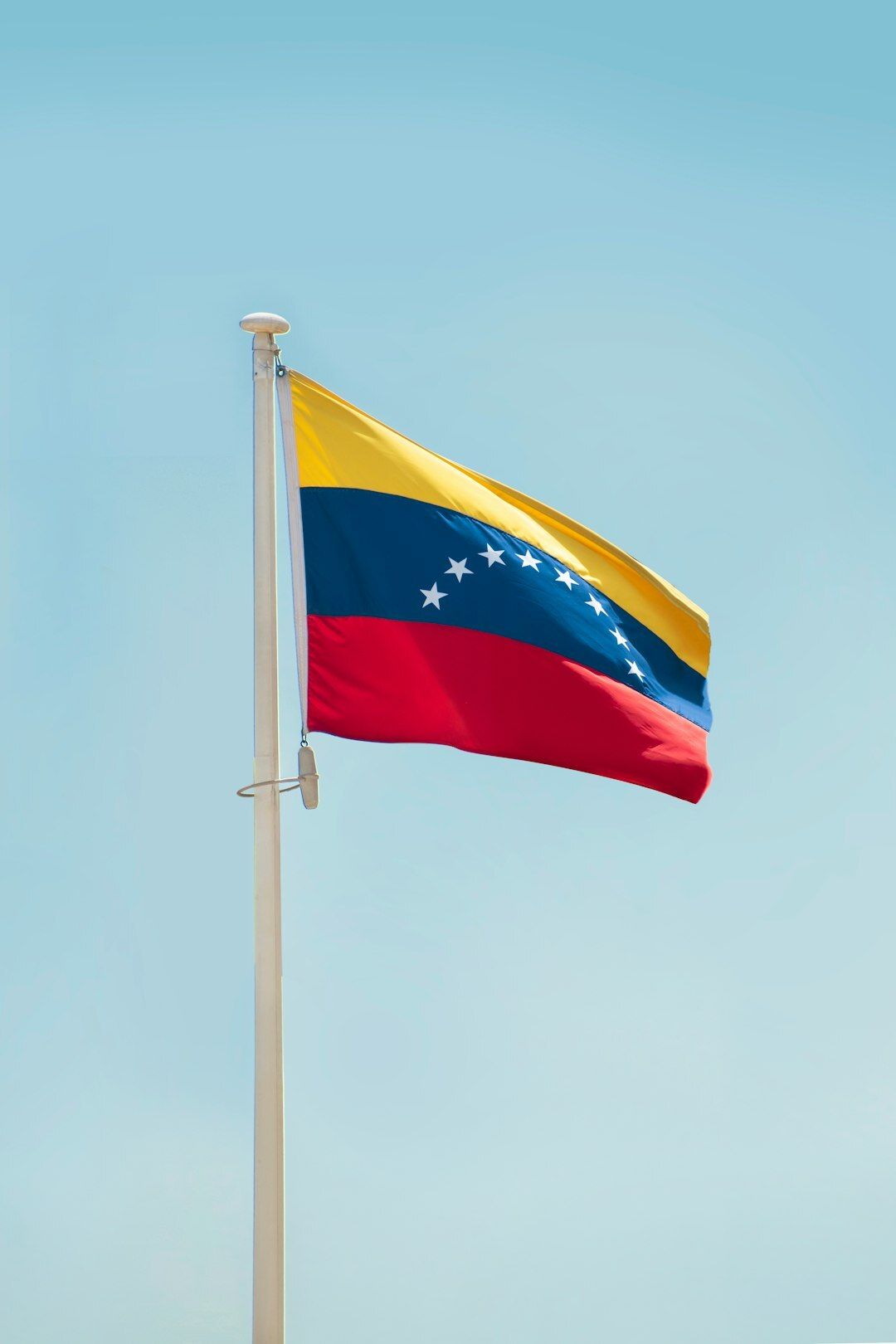
Venezuela: Key Figures Amid Fragile Systems
What’s happening
Following the U.S. operation that removed Maduro, an interim government is attempting to assert control amid fragile institutions and ongoing security threats. Oil production, power infrastructure, and mining regions remain in poor condition, requiring major reconstruction to return to operational levels “Gold, nickel, and cobalt are going to be key to re-establishing Venezuela’s credit worthiness in the world commodity market, says Jim Mitchell, Trading SME Oil & Products at Wood Mackenzie “These are things that back loans, in addition to oil.” Investments in the Orinoco Mining Arc are particularly uncertain due to weak governance and limited geological data.
Why it matters
Venezuela’s transition following the U.S. removal of Nicolás Maduro marks a pivotal moment for governance and infrastructure. The country holds some of the world’s largest proven oil reserves (~300 billion barrels) and a large undeveloped critical/precious metals base. Safe and sustainable development depends on stability, security, and rule-of-law improvements. Venezuela continues to face deep humanitarian, political, and security challenges, with millions in need of urgent assistance amid fragile institutions and ongoing hardship for local communities — a context that shapes any operational or investment considerations. How authorities manage reconstruction and international engagement will shape operational feasibility and societal outcomes.
What’s the risk exposure
Operational challenges are substantial, with degraded oilfields, pipelines, and electricity networks posing high capital and execution risk. Security concerns and governance gaps further complicate project planning and execution. Geopolitical uncertainty from foreign intervention and potential diplomatic backlash adds another layer of risk for companies considering involvement.
What to watch next
Key operational and investment developments include:
Infrastructure rebuild progress: Track timelines for restoring oil, electricity, and transport systems, along with potential foreign investment involvement. “Companies that focus on building bridges, docks, and new pipelines — from an investment standpoint that’s where the big opportunity is going to be, in infrastructure,” says Mitchell.
Political stabilization: Observe the interim government’s ability to consolidate authority and manage security forces effectively.
Mining sector evolution: Monitor formalization of Orinoco Mining Arc operations and progress toward attracting institutional investors.
Regional dynamics: Assess responses from Latin American governments and global powers, which could affect project security and regulatory risk.
Key Risks & Considerations
Category | Risk | Considerations |
Oil & Power | Aging infrastructure, slow rebuild | Potential large-scale reconstruction contracts |
Mining | Governance gaps, security, weak data | Access to untapped precious/critical metals |
Political | Interim authority legitimacy, militia activity | U.S. and international support for stabilization |
Geopolitical | Diplomatic backlash, regional pushback | Strategic positioning in energy & metals markets |

U.S. Manufacturing in 2026: Investment Headlines, Operational Reality
by CMW: The Corporate & Risk Operations Brief Contributor
Early 2026 U.S. government data points to a manufacturing sector under pressure, despite strong investment headlines last year. In 2025, major companies expanded domestic production and announced large capital commitments, reinforcing optimism around U.S. manufacturing and supply-chain resilience.
Operational data, however, tells a different story. Factory activity has continued to slow, with employment levels declining and output remaining weak. This gap between investment announcements and day-to-day performance highlights deeper structural challenges facing the sector.
One factor is workforce readiness. While companies are adopting advanced technologies, many teams are still building the skills needed to translate these tools into higher productivity. At the same time, ongoing policy uncertainty is increasing costs and complicating supply-chain decisions, forcing manufacturers to reassess sourcing and production strategies.
Demand is also softening. New orders have weakened across the industry, hitting small and mid-sized manufacturers hardest, while even larger firms are seeing slower order growth.
For risk and operations leaders, the message is clear: execution risk, not investment intent, is shaping manufacturing outcomes in 2026.
Sources

Bank Results Highlight Limits of Cost Control and Automation
by CMW: The Corporate & Risk Operations Brief Contributor
For operations leaders, last week’s bank results underscore the limits of cost control and automation when revenue growth slows and regulatory risk resurfaces. Stable customer activity does not necessarily translate into margin resilience, especially in capital-intensive or rate-sensitive businesses like mortgages. The mixed impact of AI initiatives suggests that productivity gains will require deeper process redesign, not just technology deployment, at a time when political uncertainty is complicating long-term planning.
Executive Quote
“The best ideas rarely come from the top; they emerge when leaders listen to operators, engineers and managers who live the details every day.” – Nashay Naeve
-From Supply Chain Chaos To Global Growth: How Women Executives Are Shaping Industrial Manufacturing
Thanks for joining us this week. Please send questions, feedback, and pitches by hitting reply to this email.